“Embrace the New”: Home Aides Speak Out At First NYC Hearing

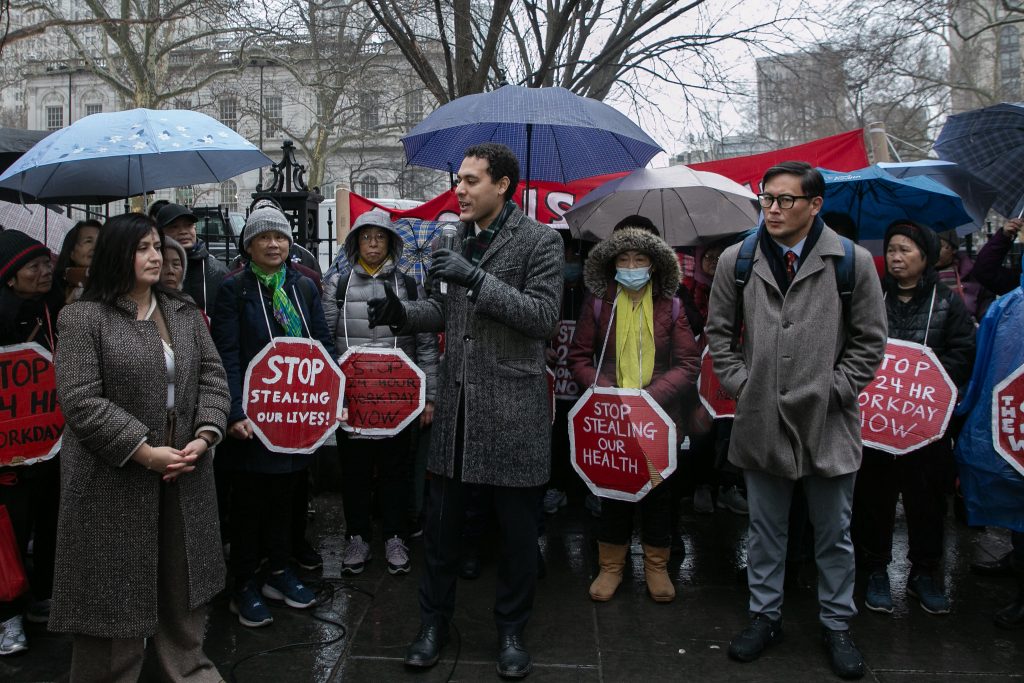
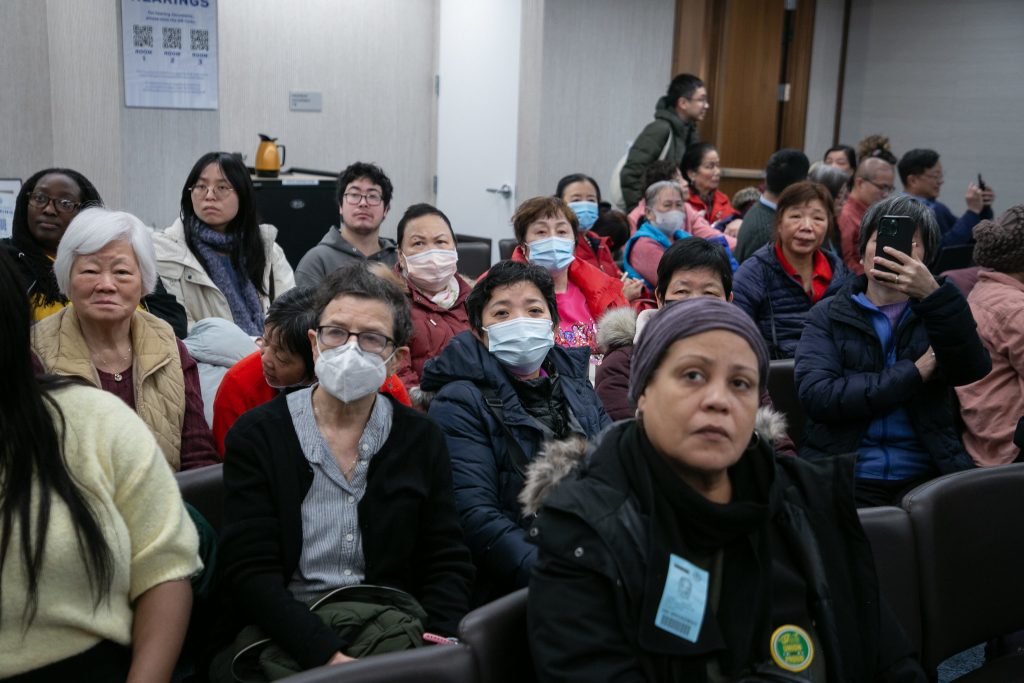
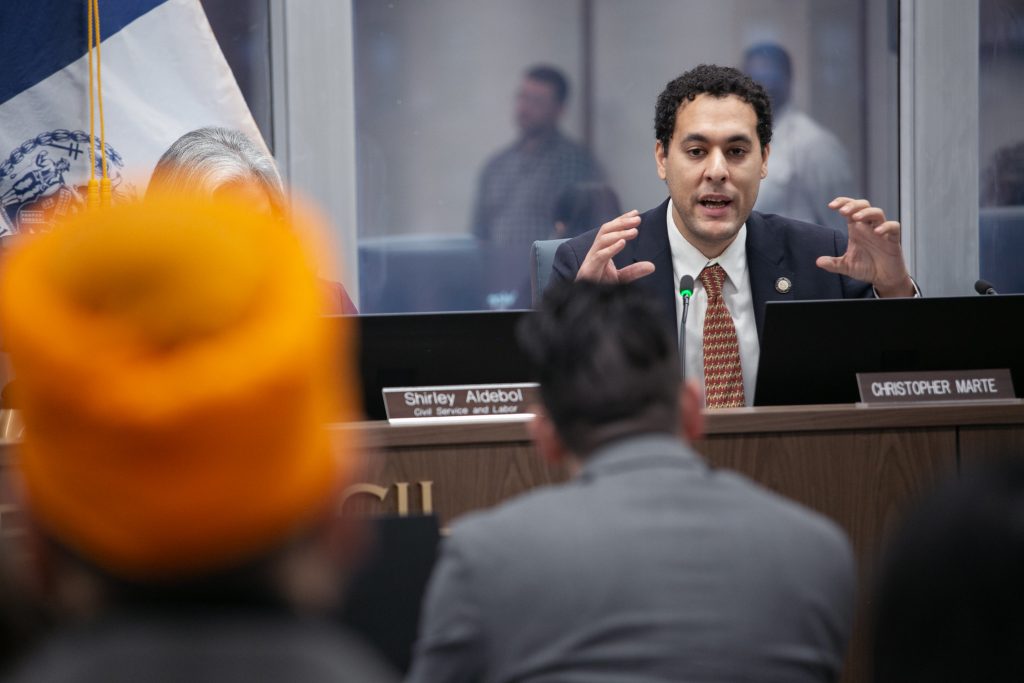
Home care workers gathered at a meeting room near City Hall on Wednesday, February 18, to support a bill that would place restrictions on 24-hour shifts. (Photo: NYC City Council)

By Jack Delaney | jdelaney@queensledger.com

CITYWIDE — For over a decade, home care workers in New York City have protested in the streets to ban the grueling practice of 24-hour shifts. But it wasn’t until last week — after countless rallies, a hunger strike, and the support of a lawmaker whose own mother worked in the industry — that they were finally able to make their case to the City Council.

On Wednesday, February 18, dozens of home care workers filed into a meeting room near City Hall for a hearing on the “No More 24” bill, which was introduced by Council Member Chris Marte in 2022 but was sidelined under former Speaker Adrienne Adams.

Now, with a new speaker, the push has gained traction. Yet unlike the original bill, the latest iteration wouldn’t ban 24-hour shifts outright. Instead, agencies and insurance companies would be required to secure consent from workers, subject to review by the Department of Consumer and Worker Protection (DCWP).

“Our goal is simple: To ensure that individuals who require assistance can receive crucial care without interruption,” said Council Member Shirely Aldebol, the bill’s co-sponsor, “and that the workers who are dedicated to their clients can be compensated, safe, and respected.”

The problem has been festering for years. At protests in Downtown Brooklyn last fall and this winter, home care workers — overwhelmingly immigrant women of color — described a laundry list of chronic health conditions, ranging from insomnia to tachycardia, that they attribute to their sleepless shifts.

Many, like Dellanira Soto, had worked in these conditions for more than 10 years and had been forced to travel back to their home countries to seek affordable treatment.

“My mom worked 24-hour shifts. When she left for work, it would be days before I saw her again. She would come back exhausted, only able to spend a few hours at home before she had to leave again,” said Marte at Wednesday’s hearing. “The toll these shifts take on workers meets the United Nations definition of torture. They are human rights violations.”
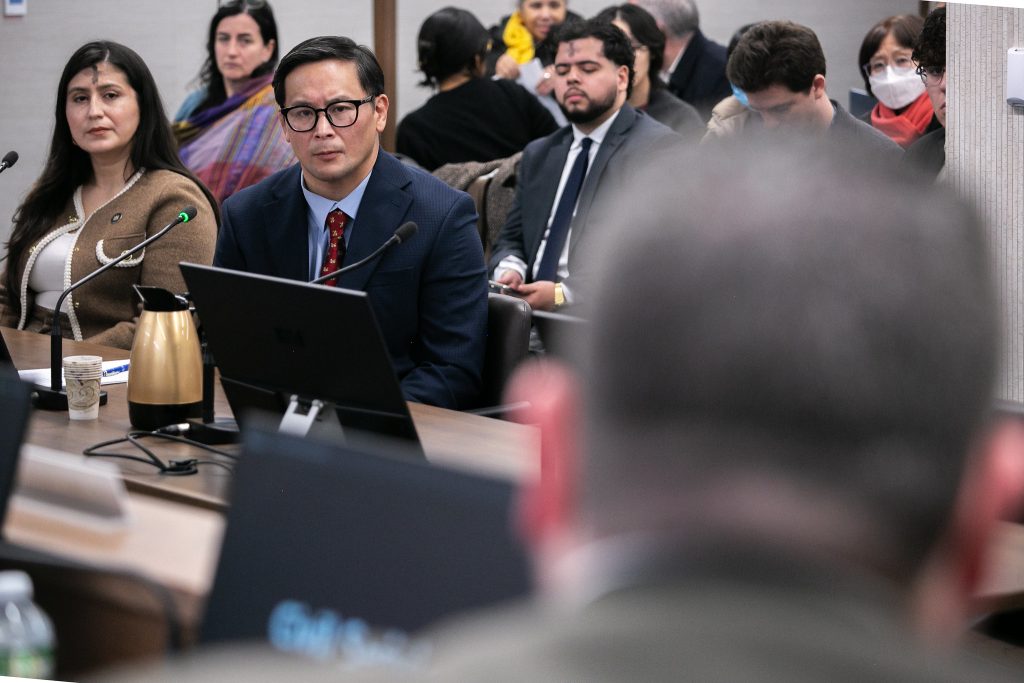
Representatives for DCWP testified that their office received approximately 1,500 complaints from home care workers last year, with the majority being employees of large agencies who had been prevented from taking paid sick leave. Several “workforce-wide investigations” are currently ongoing, they noted.

For his part, Council Member Frank Morano centered consumers — long-term care in NYC can be prohibitely expensive, with some live-in aides costing upwards of $13,000 per month. Morano suggested that the bill could disrupt care if additional funds were not secured, and that some patients might prefer a single aide over several rotating providers.

But as New York’s home care industry stares down the barrel of a severe labor shortage, with an estimated need for 1 million more workers statewide by 2030, other speakers argued that improving conditions was a prerequisite to covering gaps in care.

“The use of 24-hour shifts has led countless home attendants to leave the job. It is a job-retention issue, as well as a deterrent to bringing on more workers, said Victoria Fariello, a district leader in Manhattan. “No one wins when our home attendants are overworked, exhausted, and abused.”

Yet the dominant theme of the hearing was not rescuing a powerless population, but fanning the flames of their growing movement. “The workers in this room with us today are just a fraction of the thousands of home care workers who have been organizing to end the 24-hour workday for almost a decade,” said Marte. “Four years ago I stood with them when we first introduced this bill. But politics and special interests blocked the legislation from coming to a vote.”

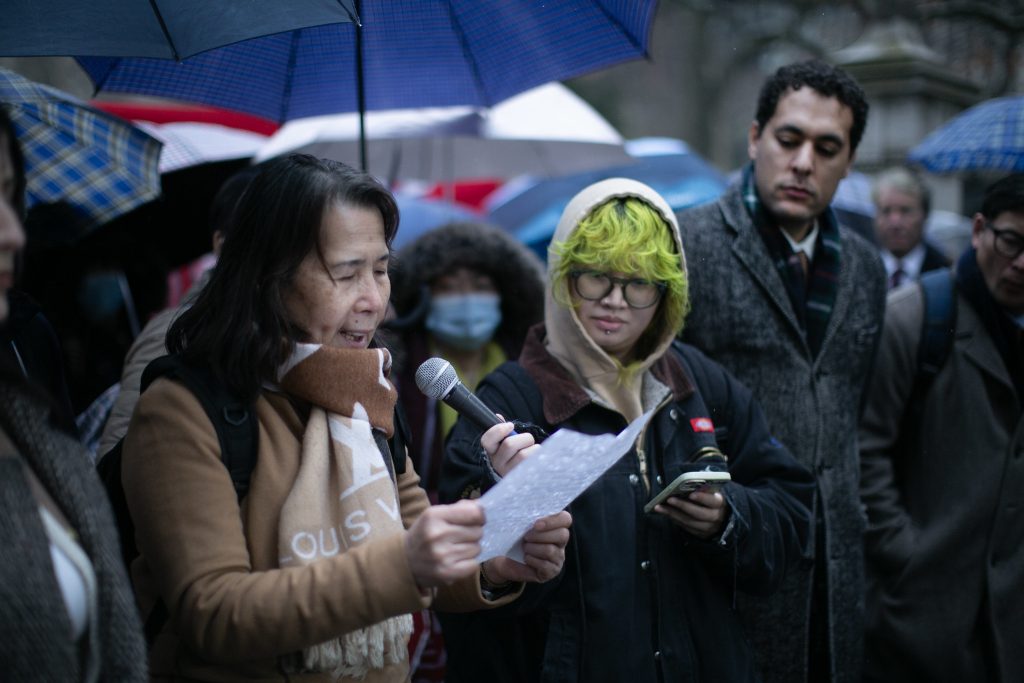
The home care workers themselves were confident that this time would be different. “With the new year, we discard the old and embrace the new,” said Lingfang Zhang, through a translator. “We thank the new Speaker Menin for allowing us to testify, and we call on all city council members to support us immigrant workers.”

Leave a Reply

Home care workers gathered at a meeting room near City Hall on Wednesday, February 18, to support a bill that would place restrictions on 24-hour shifts. (Photo: NYC City Council)

By Jack Delaney | jdelaney@queensledger.com

CITYWIDE — For over a decade, home care workers in New York City have protested in the streets to ban the grueling practice of 24-hour shifts. But it wasn’t until last week — after countless rallies, a hunger strike, and the support of a lawmaker whose own mother worked in the industry — that they were finally able to make their case to the City Council.

On Wednesday, February 18, dozens of home care workers filed into a meeting room near City Hall for a hearing on the “No More 24” bill, which was introduced by Council Member Chris Marte in 2022 but was sidelined under former Speaker Adrienne Adams.

Now, with a new speaker, the push has gained traction. Yet unlike the original bill, the latest iteration wouldn’t ban 24-hour shifts outright. Instead, agencies and insurance companies would be required to secure consent from workers, subject to review by the Department of Consumer and Worker Protection (DCWP).

“Our goal is simple: To ensure that individuals who require assistance can receive crucial care without interruption,” said Council Member Shirely Aldebol, the bill’s co-sponsor, “and that the workers who are dedicated to their clients can be compensated, safe, and respected.”

The problem has been festering for years. At protests in Downtown Brooklyn last fall and this winter, home care workers — overwhelmingly immigrant women of color — described a laundry list of chronic health conditions, ranging from insomnia to tachycardia, that they attribute to their sleepless shifts.

Many, like Dellanira Soto, had worked in these conditions for more than 10 years and had been forced to travel back to their home countries to seek affordable treatment.

“My mom worked 24-hour shifts. When she left for work, it would be days before I saw her again. She would come back exhausted, only able to spend a few hours at home before she had to leave again,” said Marte at Wednesday’s hearing. “The toll these shifts take on workers meets the United Nations definition of torture. They are human rights violations.”
Representatives for DCWP testified that their office received approximately 1,500 complaints from home care workers last year, with the majority being employees of large agencies who had been prevented from taking paid sick leave. Several “workforce-wide investigations” are currently ongoing, they noted.

For his part, Council Member Frank Morano centered consumers — long-term care in NYC can be prohibitely expensive, with some live-in aides costing upwards of $13,000 per month. Morano suggested that the bill could disrupt care if additional funds were not secured, and that some patients might prefer a single aide over several rotating providers.

But as New York’s home care industry stares down the barrel of a severe labor shortage, with an estimated need for 1 million more workers statewide by 2030, other speakers argued that improving conditions was a prerequisite to covering gaps in care.

“The use of 24-hour shifts has led countless home attendants to leave the job. It is a job-retention issue, as well as a deterrent to bringing on more workers, said Victoria Fariello, a district leader in Manhattan. “No one wins when our home attendants are overworked, exhausted, and abused.”

Yet the dominant theme of the hearing was not rescuing a powerless population, but fanning the flames of their growing movement. “The workers in this room with us today are just a fraction of the thousands of home care workers who have been organizing to end the 24-hour workday for almost a decade,” said Marte. “Four years ago I stood with them when we first introduced this bill. But politics and special interests blocked the legislation from coming to a vote.”

The home care workers themselves were confident that this time would be different. “With the new year, we discard the old and embrace the new,” said Lingfang Zhang, through a translator. “We thank the new Speaker Menin for allowing us to testify, and we call on all city council members to support us immigrant workers.”

Leave a Reply

Fill the Form for Events, Advertisement or Business Listing