The Bloody Best: Brooklyn’s Bloody Mary Fest Returns

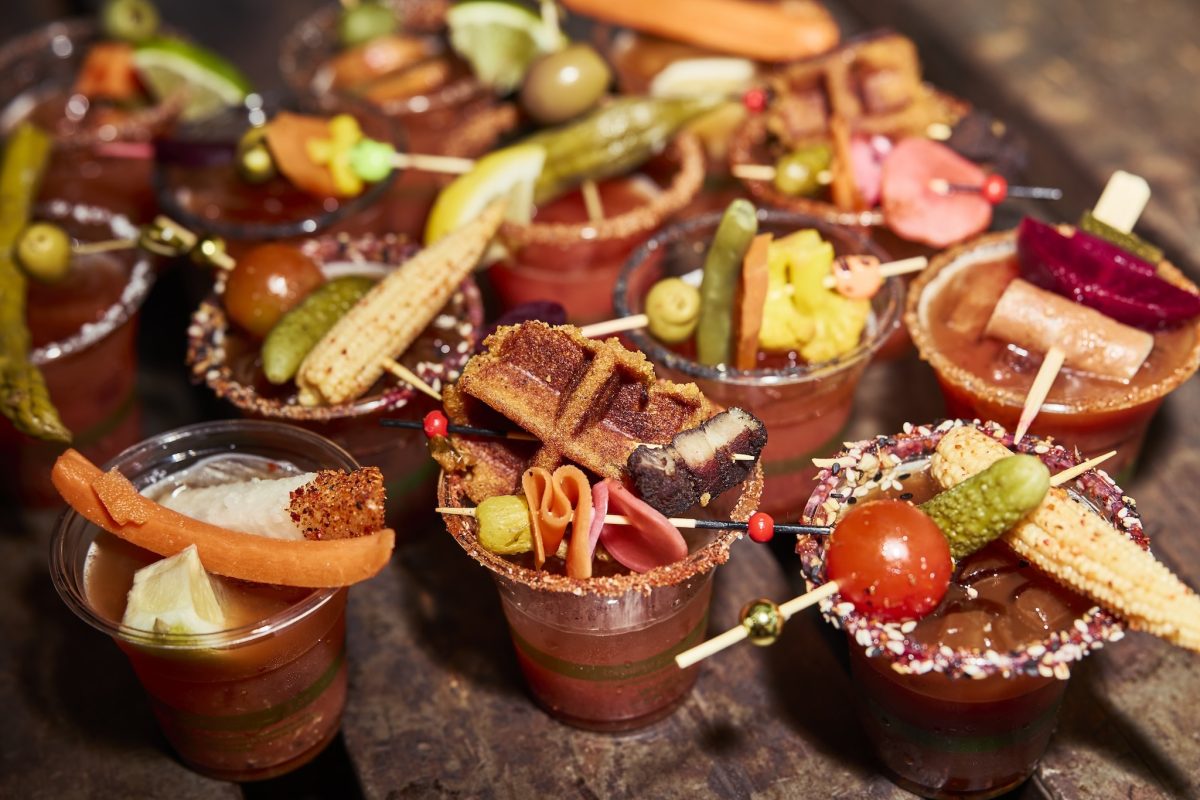
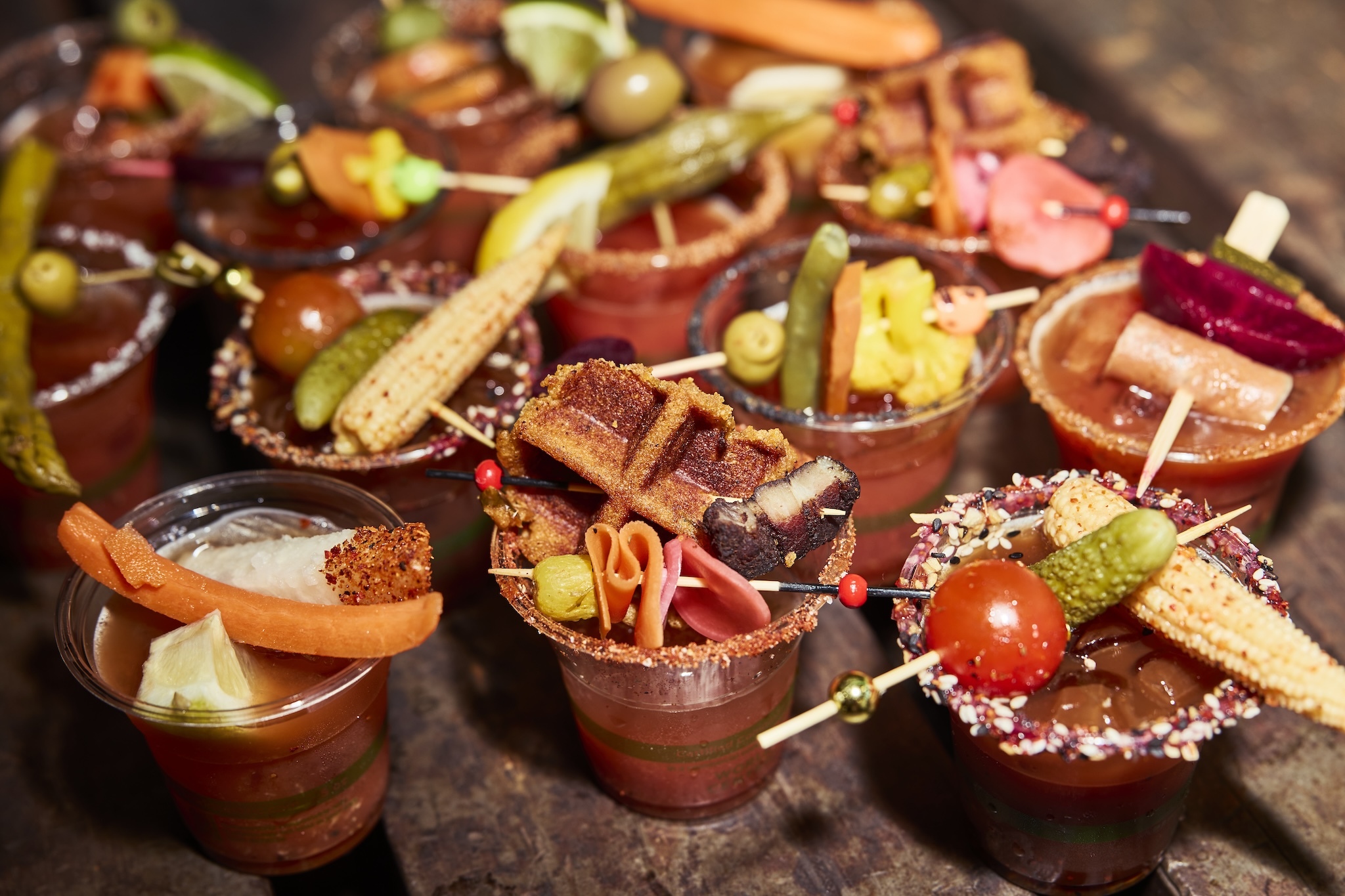
Over 1,000 people attended this year’s event. Photo via @thebloodymaryfest on Instagram.

The fan-favorite Bloody Mary Fest was bigger and tastier than ever, offering local connoisseurs a chance to spotlight their creations.

BY CHRISTIAN SPENCER

PARK SLOPE — It is the only boozy annual event of its kind in the city. The Bloody Mary Festival returned to Brooklyn on March 21, and it was a culinary experience that mixes freshness and spiciness.

Hundreds of attendees gathered at BKLoft26 to sample creative takes on the classic brunch cocktail.

Local bars, restaurants, and spirits producers showcased their own versions of the Bloody Mary alongside food vendors and craft spirit makers. Evan Weiss, founder of the festival, said he started the event in 2014 after noticing a gap in the city’s brunch scene.

“We spent our weekends going brunching and we loved Bloody Marys, tasting different Bloody Marys around Brooklyn. And we realized that there were no large-scale events for Bloody Mary lovers. So we decided to create one,” Weiss said. “We rented out a restaurant in Williamsburg and just for fun, we invited our favorite bars from Brooklyn that made good Bloody Marys. That’s when the first Bloody Mary Festival New York City happened in April of 2014.”

The festival has grown steadily since its debut. The first event drew about 150 people. This year, nearly 1,000 attendees attended.

“Since the pandemic, people have really appreciated live events and we’ve seen growth,” Weiss said. “These curated drink and food experiences have really gained popularity. People in their 20s and 30s are spending more of their money on these types of experiences.”

Jono Moratis of Morgan’s Brooklyn Barbecue offered a smoky, barbecue-inspired take on the cocktail.

“Being a barbecue restaurant, we’ve got a lot of bold flavors and smokiness to our meats, and we try to infuse some of that into our cocktail,” Moratis said. “We garnish with pickles, cucumber, lemon, lime, an assortment of things to keep it interesting, fresh, and spicy.”

Moratis said the festival is a chance to bring more attention to the restaurant.

“We’re hoping that by being part of the festival, it lets people know that we are in Brooklyn. We want to be a destination place for people to come enjoy our food. There’s also a sense of camaraderie with other restaurants, and just hopefully create some new interest, new guests, and expose the restaurant to other people,” he said.

Andrew Thomas of Halftone Spirits said his approach brings out spice and flavor depth.

“A Bloody Mary can’t just be the traditional tomato juice and vodka with a piece of celery,” Thomas said. “We leaned heavy on spice, pickle juice, celery salt, and Worcestershire sauce. We do it two ways, one standard with vodka and one more intense using our aquavit, a Scandinavian spirit distilled with caraway seed and dill. It really enhances those deep, savory flavors.”

Thomas said the festival points out what the cocktail can do.

“I think the Bloody Mary is the perfect brunch beverage,” he said. “It has a rich body and texture that pairs well with savory breakfast dishes. What I hope the festival brings out is a deeper appreciation of the wide variety of what a Bloody Mary can be. It’s an incredible platform for bartenders and spirits producers to showcase their ability to craft flavor in a glass.”
Weiss said organizing the festival requires months of planning.

“It takes about three to four months to produce the event,” he said. “A lot of time is spent marketing the event, reaching out to local businesses to participate, and tasting Bloody Marys. That’s the fun part.”

The festival has expanded beyond bars and restaurants, now including spirits companies and food producers.

“The festival has evolved from being a Bloody Mary contest to a celebration of small local businesses. Now we invite a plethora of local businesses, spirit companies, and food products to sample their products to attendees. That’s what makes it great. It’s more than just Bloody Marys,” Weiss said.

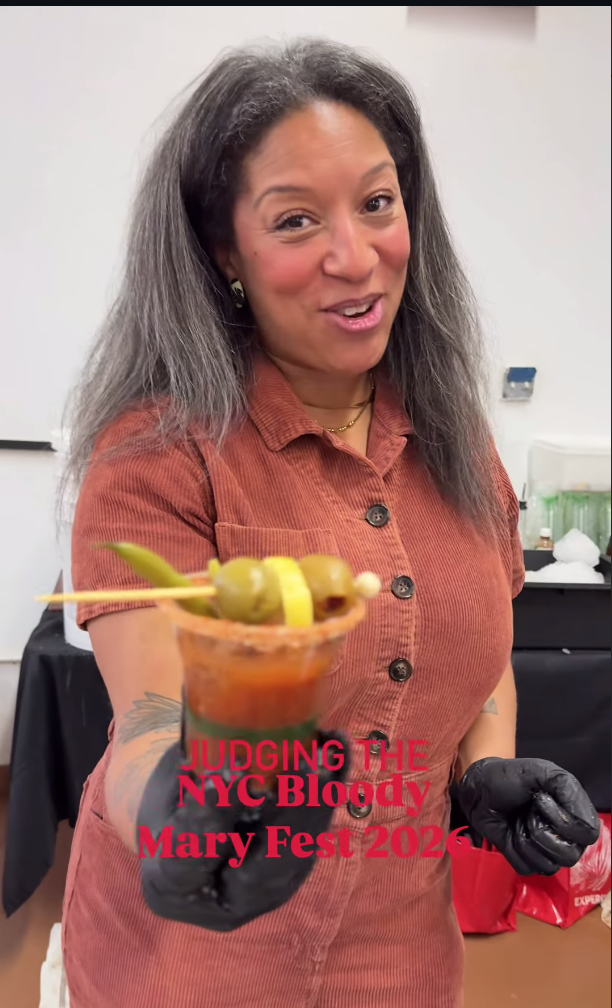
The 2026 festival also functions as a competition, with attendees and judges scoring each entry on flavor, presentation, and creativity. The combined votes came down to the smallest details, from spice balance to garnish execution.

Morgan’s Brooklyn Barbecue won Best Traditional Bloody Mary for its smoky flavor, balanced spice, and just the right heat. Filthy Diamond in Bushwick took Best Original Bloody Mary for the inventive “Bloody Filthy.” Crif Dogs in Greenwich Village earned Best Garnish for a bacon-wrapped hot dog. Labonne’s Gameday Bloody Mary Mix from Connecticut was named Best Bottled Mix. The Drop Shot Bar at Rockaway Pickleball in Queens won the People’s Choice Award, while Sunday’s Bloody Mary Mix from Pennsylvania won People’s Choice for Best Bottled Mix.

The winners received trophies, but for all the participating small businesses, the attention from the festival was rewarded enough.

That day, Bloody Marys lingered on Brooklyn’s taste buds.
When Greenpoint Shipwrights Chased Baseball Glory

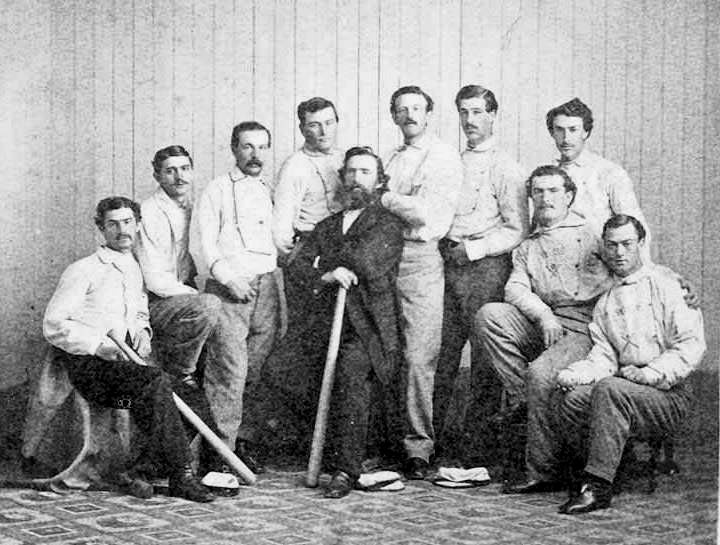
The Brooklyn Atlantics, one of the Eckford Club’s early rivals. Photo via Wikimedia.

Baseball fans in North Brooklyn might not realize that a team of amateur shipwrights from Greenpoint was once a title contender

GEOFFREY COBB | gcobb91839@Aol.com

Author, “Greenpoint Brooklyn’s Forgotten Past

Some people might feel it’s Spring when they see flowers bloom; others might feel that Passover or Easter signal the arrival of Spring, but for me the surest sign of Spring’s arrival is the start of the professional baseball season, which since 2023 is the last Thursday in March. Even baseball fans living in North Brooklyn probably do not realize that much of the early history of the development of baseball took place here in Brooklyn and that a team composed of amateur Greenpoint shipwrights, The Eckford Club, wrote one of the glorious chapters in the sport’s early history.

Though it’s the subject of intense debate, most baseball historians agree that the first game of what we would recognize as baseball was played in Hoboken, New Jersey in 1846. Though it was born in New Jersey, the game really took off here in Brooklyn, which had more teams than anywhere else in the country.  Henry Chadwick, a Brooklyn resident known as the “Father of Baseball,” invented the box score and baseball statistics, while promoting the “fly rule” (catching the ball on the fly rather than one bounce) during the 1860s to improve the game’s skill level.

Most baseball players then were the sons of well-to-do families who could allow their sons the leisure to play the game. Greenpoint formed a team, but it was not composed of rich kids’ sons. It was made up of shipwrights, whose 60-to-72-hour workweek left them little time to practice. The grueling nature of their work, though, made them very strong and fit, making the team successful.

In 1860, The Eckfords were good enough to contend for the New York title against the champion Brooklyn Atlantics. The Eckfords were leading the first game of the three-game series going into the ninth inning when the Atlantics scored four in the ninth to win seventeen to fifteen. Fan interest grew and several thousand people showed up for the second game of the match. The Eckfords were losing nine to six in the fourth inning when their player coach said, “Now, boys just think that you are playing a common club and forget that those fellows are the Athletics.” The team went on to score four runs in the inning and won twenty to fifteen. Several thousand people came out to see the rubber game of the match, but the Eckfords sloppy fielding led to a twenty to eleven defeat. Even though they lost, the team had shown it could be a contender.

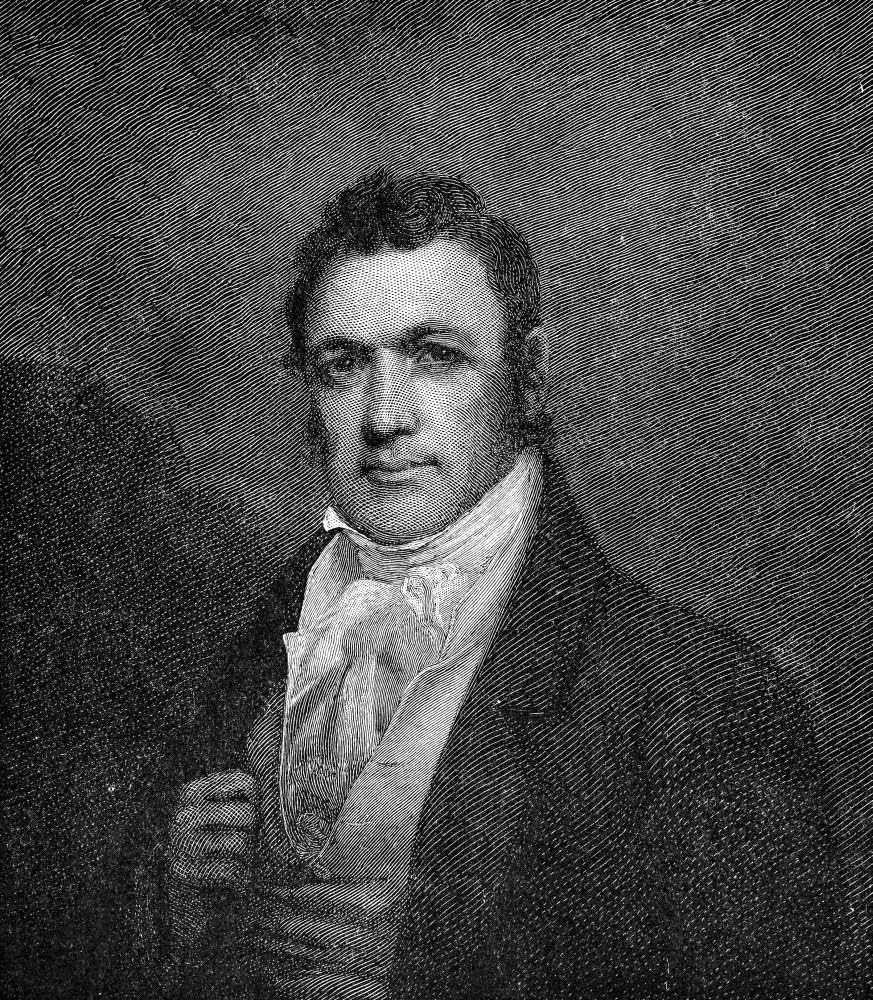
Henry Eckford helped build the navies of both the United States and the Ottoman Empire. Photo via Turnstile Tours.

Few teams played many baseball games in 1861 because of the outbreak of the Civil War, but in 1862 the Eckfords met the Athletics again for the championship. The series was held in the first-ever enclosed baseball ground, the Union Grounds in Williamsburg. The enclosed field allowed the owner to charge admission, but fan indignation led the owner to donate the proceeds to charity. The Eckfords won the first game of the October series twenty-four to fourteen, but lost the second game thirty-nine to five, setting up the decisive game of the series of October 18th. There was huge excitement surrounding the game and a record crowd showed up whose huge size frightened the heavily outnumbered police. The ten thousand fans that showed up were more than had ever watched a baseball game before. The police feared a riot that never occurred. The Eckfords won the championship game eight to three and a huge joyous crowd returned with the players to the Mansion House to celebrate their victory. The Greenpoint team won the championship the following year, but the huge crowds meant the beginning of the end of amateur baseball.

Players began to inexplicably jump from one team to another. In reality, they were lured by money under the table many teams now offered. The Eckfords made baseball history when their first baseman, Al Reach, jumped to the Philadelphia Athletics in 1864, openly admitting that he was paid to do so. He is considered the first acknowledged professional baseball player.

In 1865, the Eckfords would be involved in a scandal that would foreshadow the Black Sox scandal that nearly ruined professional baseball. The Brooklyn Daily Times reported that the Eckfords beat the Mutuals with the help of professional gamblers who paid some of the Mutuals a hundred dollars to throw the game.

It was merely a question of time until the game became fully professional, which occurred in 1869 when the National Association was formed, but even before the formation of the pro league many of the Eckford’s best players had left lured by teams offering money.

The Eckford’s entered the league with amateur players and despite their obvious handicap had great initial success. In 1869, they won the New York title before losing to another team in the national championship. Their best players, however, wanted money. One of their stars Jimmy Wood not only left for the Chicago White Sox but also enticed many of the top players to join him. By 1872, the team had folded.

Today there is a huge case of gilded baseballs won by the Eckford Club displayed in the Baseball Hall of Fame in Cooperstown, NY. There is also a monument in Cooperstown to Reach, who would go on to partner with A.J Spalding starting one of America’s first sporting goods company and would also start the Philadelphia Phillies club and became of the hall’s first inductees.

Sadly, even here in Greenpoint, few fans realized that local ball players wrote a glorious chapter in the history of our nation’s pastime.

City Council Approves $3B Sewage Tunnel Along Newtown Creek

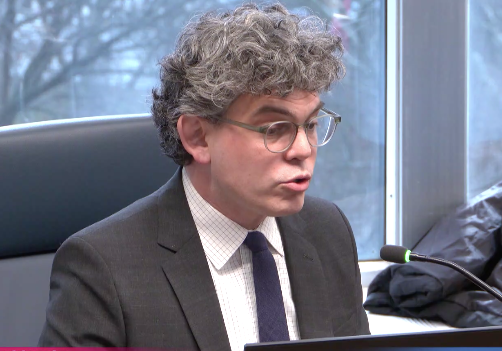
City Council Member Lincoln Restler praised state regulators for proposing a more ambitious solution to the periodic “poo-namis” that plague Newtown Creek. (Photo via Legistar)

By Jack Delaney | jdelaney@queensledger.com

“No poop in Bushwick Inlet Park! That’s the message that I very plainly want to testify to today.”

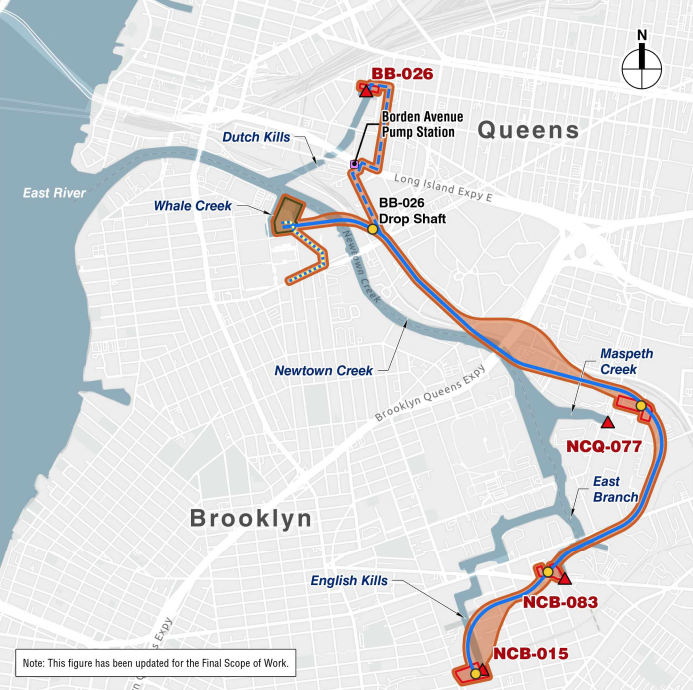
City Council Member Lincoln Restler said it with a grin, inviting chuckles from his fellow committee members. But the context is impressive: If a $3 billion proposal to build a sewage tunnel under Brooklyn’s northern tip is realized, it could mean 74% less fecal matter flowing into Newtown Creek and the East River, and none into waterways around Williamsburg’s unfinished Bushwick Inlet Park.

On Friday, March 26, the planned Newtown Creek CSO Tunnel cleared a major hurdle when the City Council authorized a list of sites that will need to be acquired before construction can begin, keeping the project on track to complete its land use review by the end of April.

Nearly 60% of New York City’s sewage system involves combined sewer overflow, or CSO, meaning that the underground pipes collect both bathroom waste and rainwater. In dry weather, that’s not an issue — rainwater rushes out of vents, while the more viscous materials are routed to a treatment facility.

During storms, however, the pipes can be overwhelmed, causing the rainwater to carry feces out of vents that release into waterways like Newtown Creek and the Gowanus Canal, where long-suffering residents have coined a term for the event: a “poo-nami.”

Plans to create a storage tunnel under the creek that can divert the heavier waste have been discussed since at least the 1990s, when the state ruled that the toxic artery’s condition violated the Clean Water Act. Newtown Creek was designated a Superfund site in 2010, and a wastewater treatment plant was completed in 2012, but it would take until 2017 for the CSO tunnel — as part of the state-run “Long Term Control Plan” — to be formally suggested.

“I firstly want to commend the Department of Environmental Protection (DEP)… for proposing this update to the Long Term Control Plan,” said Restler at an earlier hearing. “This was not mandated, they were not directed to do this. They did it because it was the right thing to do.”

The DEP estimates that the project, most of which is underground, will displace eight businesses and 85 employees currently working on the properties it will be purchasing. As part of an environmental review, the department found that noise pollution from construction would mainly affect the green spaces along the Newtown Creek Nature Walk and the in-progress North Henry Street Restoration. The work will also impact two intersections, Greenpoint Ave and Kingsland Ave/Van Dam St respectively, where DEP will be deploying traffic cops.

Though the City Council’s approval is good news for Greenpointers and their across-the-creek neighbors in Queens, it’s still early days for the project. The DEP estimates that land acquisition will span from mid-2026 to 2028, when the Department of Sanitation will start prepping sites for construction. If the proposed timeline holds, work on the tunnel itself won’t break ground until the end of 2029 — and the tentative completion date is December 2040.

Fill the Form for Events, Advertisement or Business Listing