

A Brief Tour of Irish Greenpoint

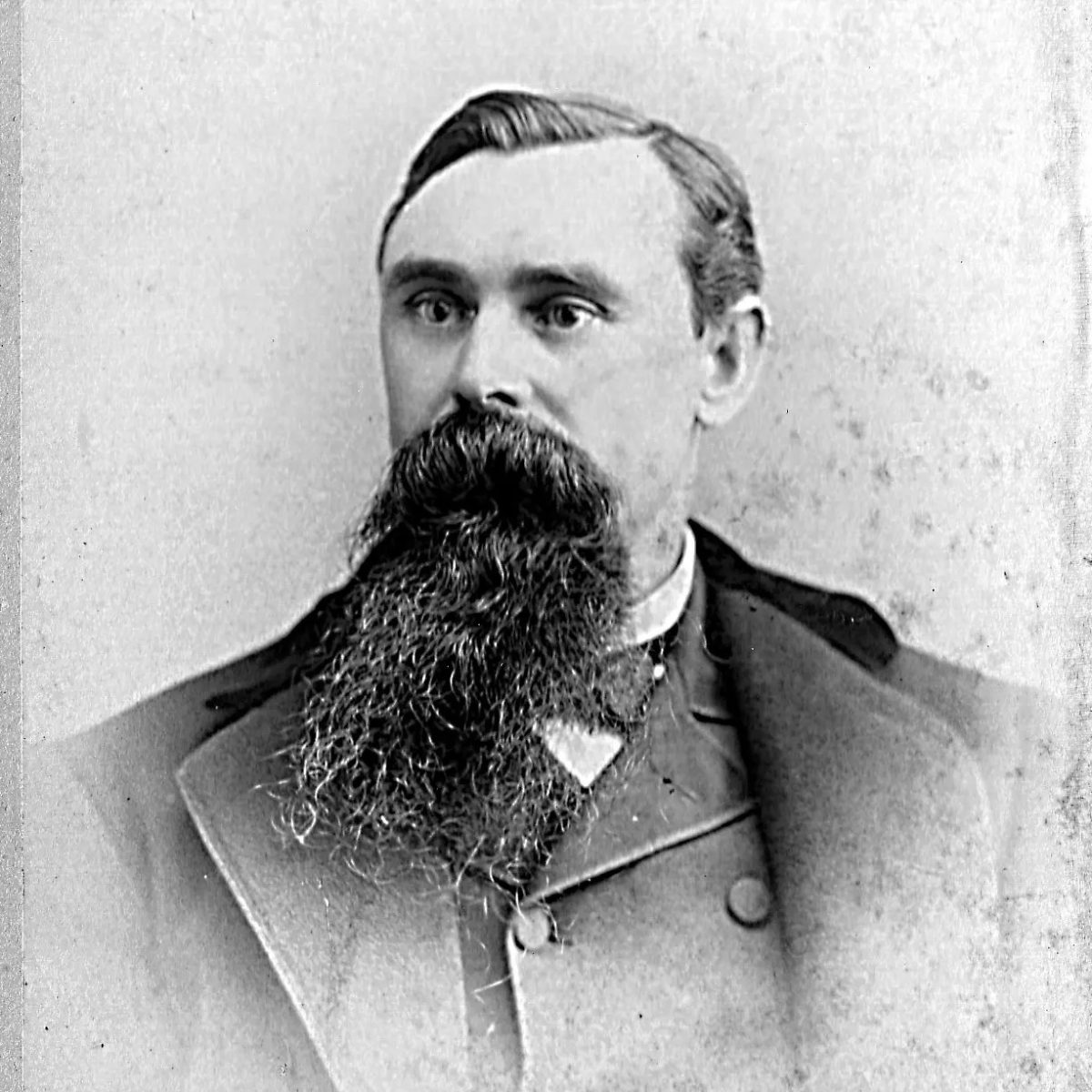
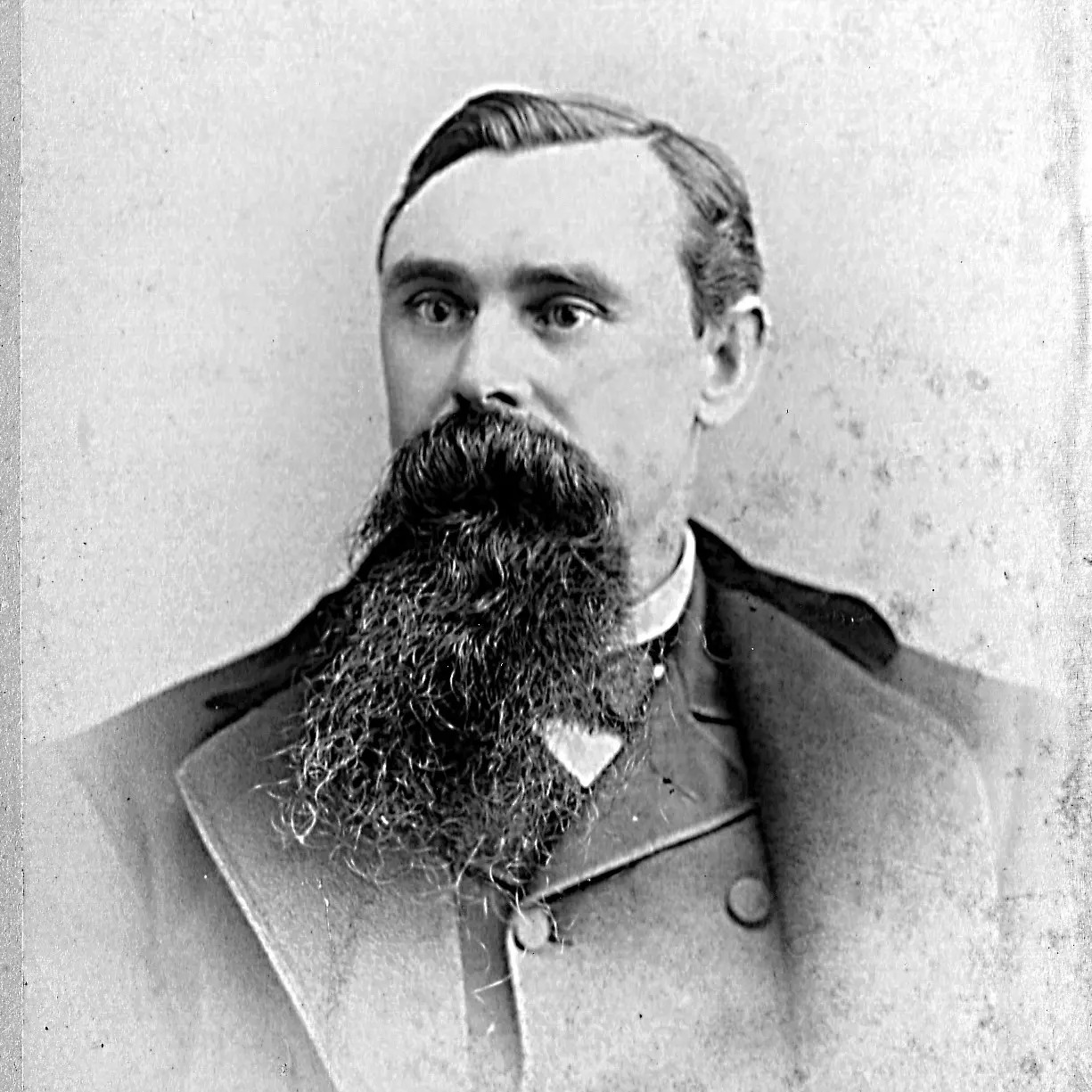
James McAllister, an Irish immigrant, ran a successful tugboat company. Photo via Wikimedia.
Spotlighting some of the neighborhood’s lesser-known historical gems.
GEOFFREY COBB | gcobb91839@Aol.com
Author, “Greenpoint Brooklyn’s Forgotten Past
Though most people associate Greenpoint, Brooklyn with its Polish community, for over a century and a half the area has had a strong Irish presence. Let’s take a look back at Greenpoint’s rich Irish history, which started in the mid 19th century.
The Irish roots of Greenpoint are intimately tied to its waterfront, which started to develop shipyards in the 1850s, not long after Ireland was devastated by famine in the late 1840s. Twelve shipyards once lined the East River shoreline and the 1855 census revealed about a hundred and fifty Irish-born Greenpointers working as ship’s carpenters and in other shipbuilding related trades.
These shipbuilders were among the first Americans to play baseball and an Irish American Greenpoint shipwright, Frank Pidgeon, founded an amateur team in 1855 called the Eckford Club, which twice won the equivalent of the world series during the Civil War. Today a trophy case in the Baseball Hall of Fame in Cooperstown honors these local heroes and contains 168 gilded baseballs won by the legendary Greenpoint team at the start of baseball history.
In 1864, James McAllister left Cushendall, County Antrim, and came to Greenpoint, where he began to work on ships. His brothers Daniel and William soon joined him, allowing James to open his own shipping business. James began with a single-sail lighter (a vessel that moves cargo between pier and ship) and called it Greenpoint Lighterage Company. Expanding into towing, McAllister’s first tugboat began operating in 1876, when his firm started hauling materials for the construction of the Brooklyn Bridge. His firm became one of the largest tugboat companies in America. Many friends and relatives from Cushendall came to work for the McAllisters, and today many Greenpoint Irish families trace their roots to Cushendall.
The Irish needed a church for their growing community. In 1865, Bishop Loughlin bought the land on Manhattan Avenue across from Milton Street for St. Anthony’s, which is perhaps the finest work of the Irish born architect Patrick Kiely, the builder of some six hundred churches around North America, but none more beautiful than his Greenpoint masterpiece. The huge church boasts the highest steeple of any church in Brooklyn with a cross standing two hundred and forty feet above the sidewalk. Its elegant façade features pressed Philadelphia Brick. In its heyday, St. Anthony’s had 10,000 parishioners, most of them Irish Americans.
Greenpoint’s other Catholic church, St. Cecilia’s, also has strong Irish roots. Though he did not start it, Irish American Monseigneur Edward McGoldrick was its dynamic pastor for fifty years. When Fr. McGolrick arrived in Greenpoint in November of 1888, St. Cecilia’s had a crumbling wooden church and a badly leaking roof. A visionary, McGolrick envisioned a Romanesque Basilica in limestone. Luckily, Hearing of a shipment of limestone mistakenly shipped to New York, McGolrick bought it far below cost and hired architect Thomas H. Poole and the firm Byrne and Perry to build the beautiful church, which today is on the National Register of Historic Places.
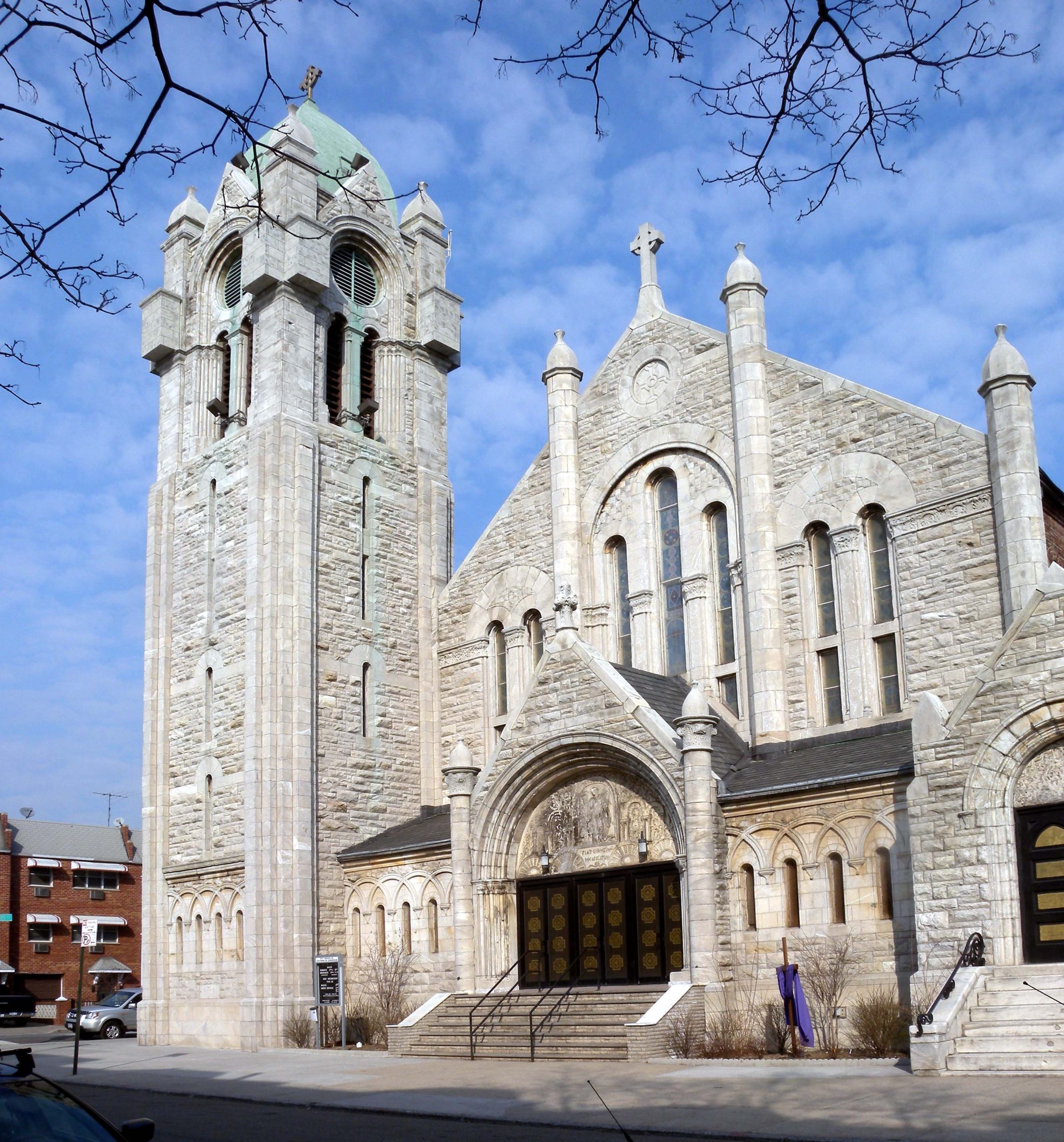
Fr. McGoldrick was pastor at St. Ceclia’s church for decades. Photo via Wikimedia.
The Great Depression, though, cemented Greenpointers’ love of Fr. McGoldrick. McGoldrick became a champion of the poor in the fight against local hunger. Although an old man, he performed herculean efforts to feed his many hungry parishioners. Local people were so grateful for his work feeding the poor that they had Winthrop Park renamed McGolrick Park in his honor.
Perhaps the most infamous chapter of local Irish history occurred in the 1880s when a group of Greenpoint Irish rebels tried to bomb London. They set up a school locally to train members of a terrorist cell how to use dynamite. The group of bombers was led by a local physician Dr. Thomas Gallagher, who was arrested along with four other conspirators in London before they could begin to start their bombing campaign. The conspirators were sent to prison where Gallagher went insane as a result of the torture he received while incarcerated. One of the bombers, Thomas Clarke, would later return to Greenpoint and play a prominent role in organizing armed resistance to British rule. Clarke returned to Ireland where he took part in the famous Easter Rising of 1916 and was later shot by the British, making him a famous martyr for the cause of Irish independence.
Quickly an area of Greenpoint from Ash to India Street started to be called “Irish Town,” later renamed “Danger Town.” It produced tough characters, none of them tougher than Irish American bare-knuckle boxer Jake Kilrain who fought for the world heavyweight championship against the legendary “Boston Strong Boy” John L. Sullivan in 1889 outdoors in temperatures reaching 100 degrees. Sullivan finally defeated Kilrain when Kilrain’s manager, Mike Donovan, threw in the towel at the start of the 76th round to save his fighter’s life. The bout, which lasted approximately 2 hours, 16 minutes, and 23 seconds is regarded as one of the greatest matches ever and the fight that helped make prize fighting a major American sport.
One important landmark survives from nineteenth century Greenpoint, Murphy’s Bar, which has changed little, but its name, since it was opened in the 1880s. Today, it’s called, the Capri Lounge. Its gorgeous mahogany interior goes back almost a century and a half. It’s a great place to have a drink and celebrate Greenpoint’s long, rich Irish history.