Nets One of a Few NBA Teams to Honor Black History

Brooklyn hosts one of the best Black History Month celebrations of 2026
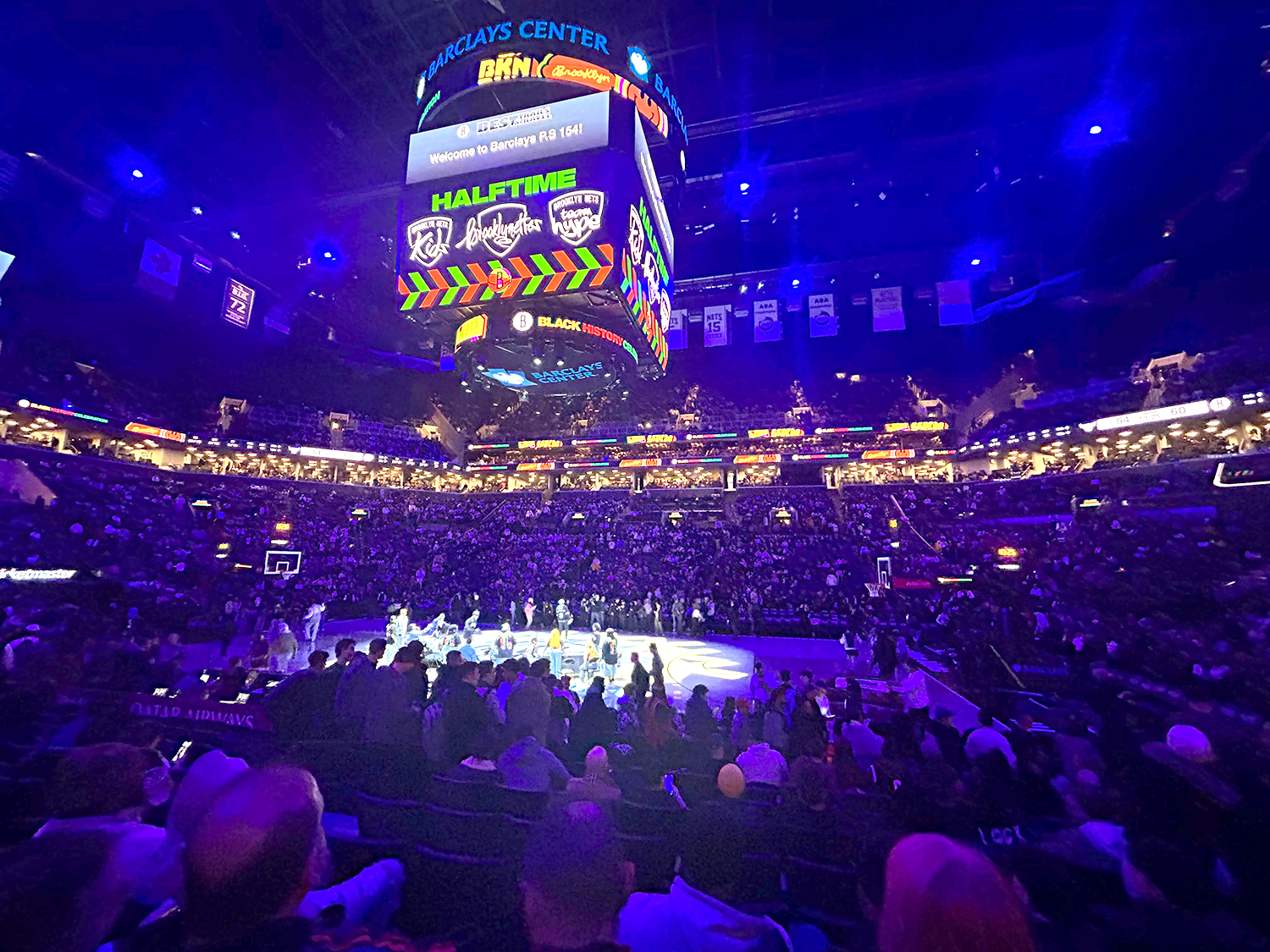
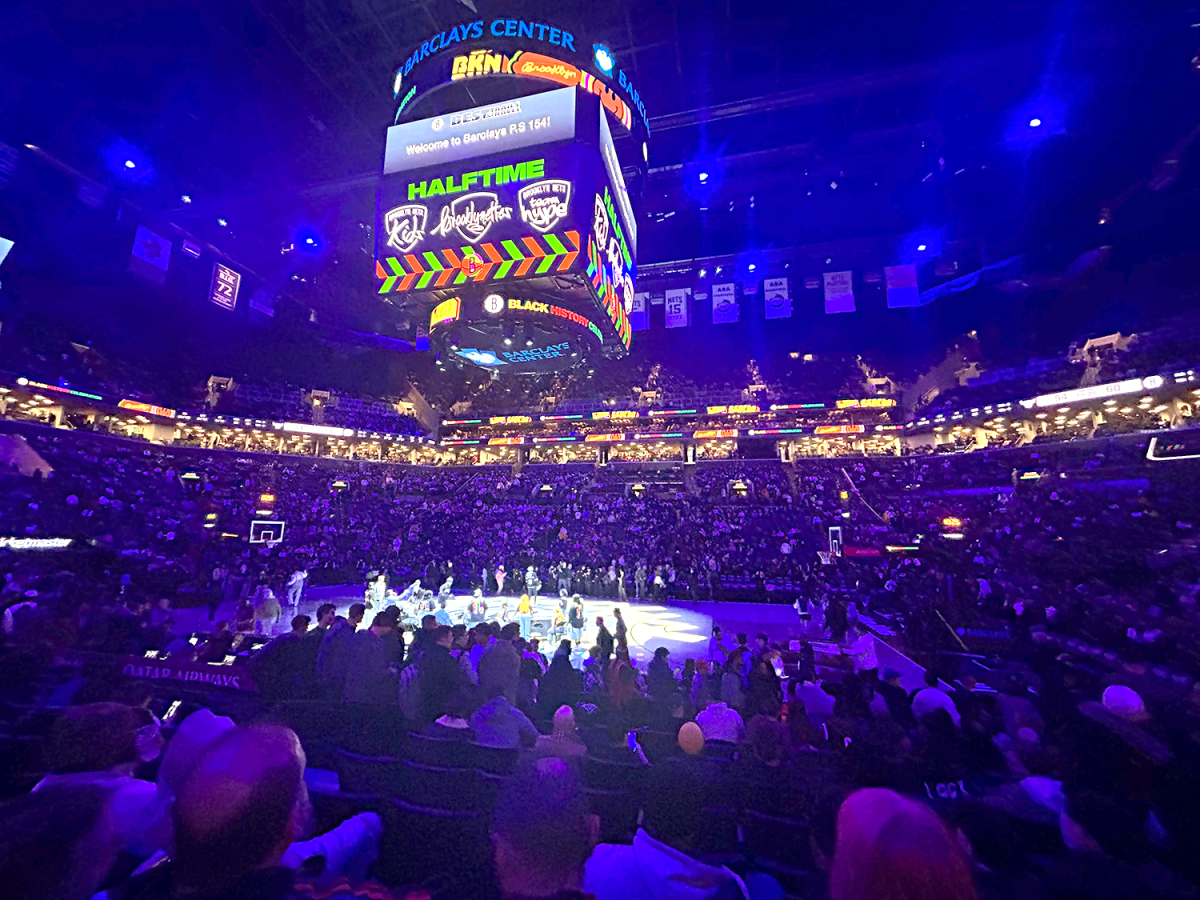
It was Black History Night at the Barclays Center earlier this month as the Nets took on the Chicago Bulls! Photos: Christian Spencer

By Christian Spencer

sports@queensledger.com

The Brooklyn Nets are one of the few NBA teams this year to host a Black History Month game, showing how the franchise’s identity is deeply rooted in its Black heritage. 

On February 9, the team celebrated that identity with a 123–115 win over the Chicago Bulls, in-arena performances, and a special appearance by Nets legend Julius “Dr. J” Erving.

The evening was not just a game, but a veritable indicator of Brooklyn’s influence on Black culture, basketball, and community.

Fans watched a tight contest that swung both ways before the Nets closed it out with crisp late-game execution and balanced scoring down the stretch. 

Beyond the scoreboard, the game highlighted Black generations and community traditions that have shaped Brooklyn’s identity. 

African dancers opened the night with bright colors and pounding drums that energized the arena and set a vibrant tone.

A cookout-style dance-off followed, as Boomers, Gen X, Gen Y, and Gen Z playfully competed over which generation produced the best music and moves during a pregame “Black Family Reunion” activation staged with Brooklyn-based platform The Lay Out. 

The Nets hosted a pregame fireside chat on Black health and wellness, where artist and entrepreneur Styles P spoke with local community groups about mental, physical, and emotional healing. 

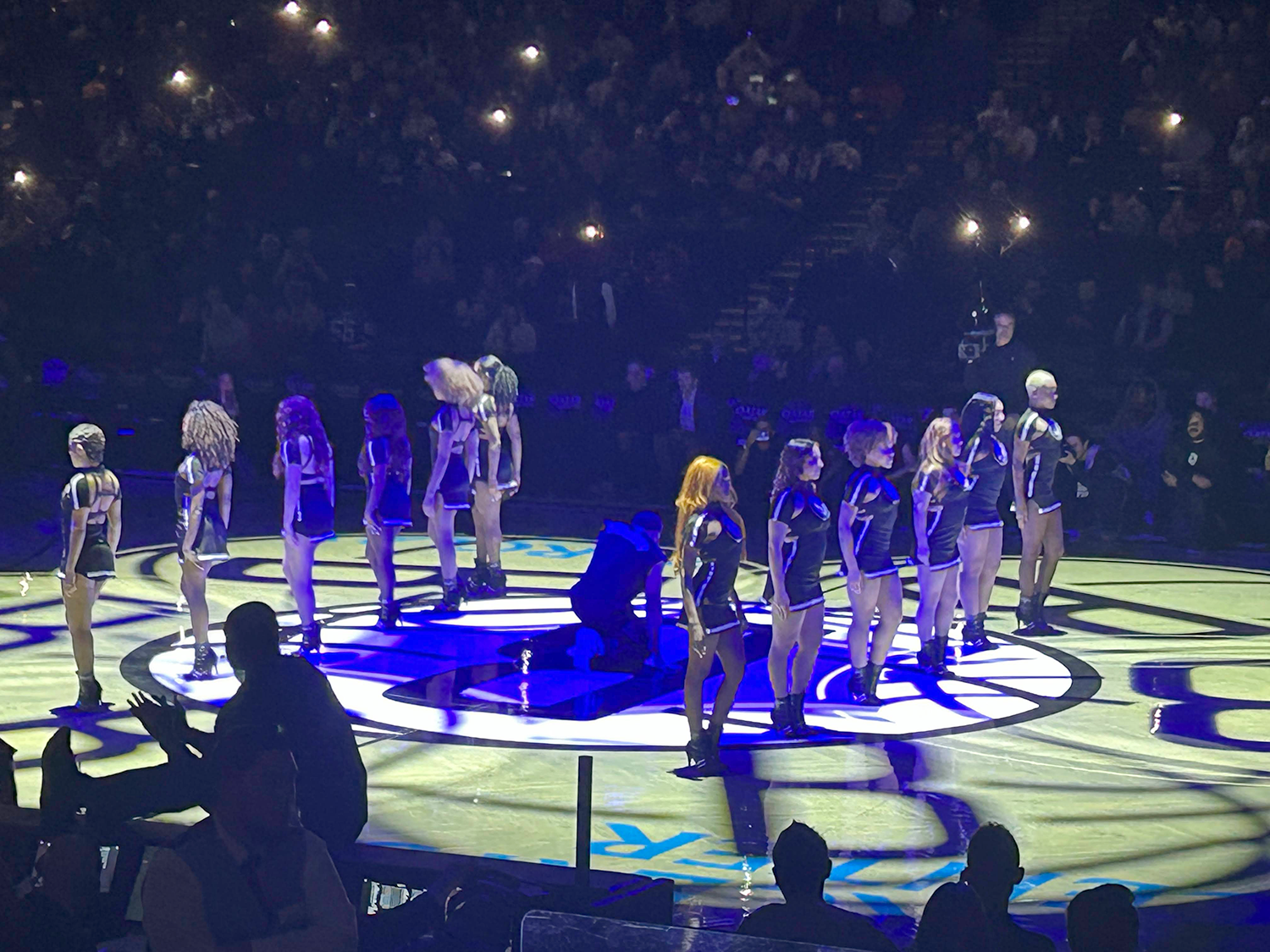
KBT Temple and Praise performed Lift Every Voice & Sing and the National Anthem before tipoff, and the Brooklynettes and Team Hype honored Black social dance at halftime alongside the New York Liberty’s Timeless Torches, bridging generations. 
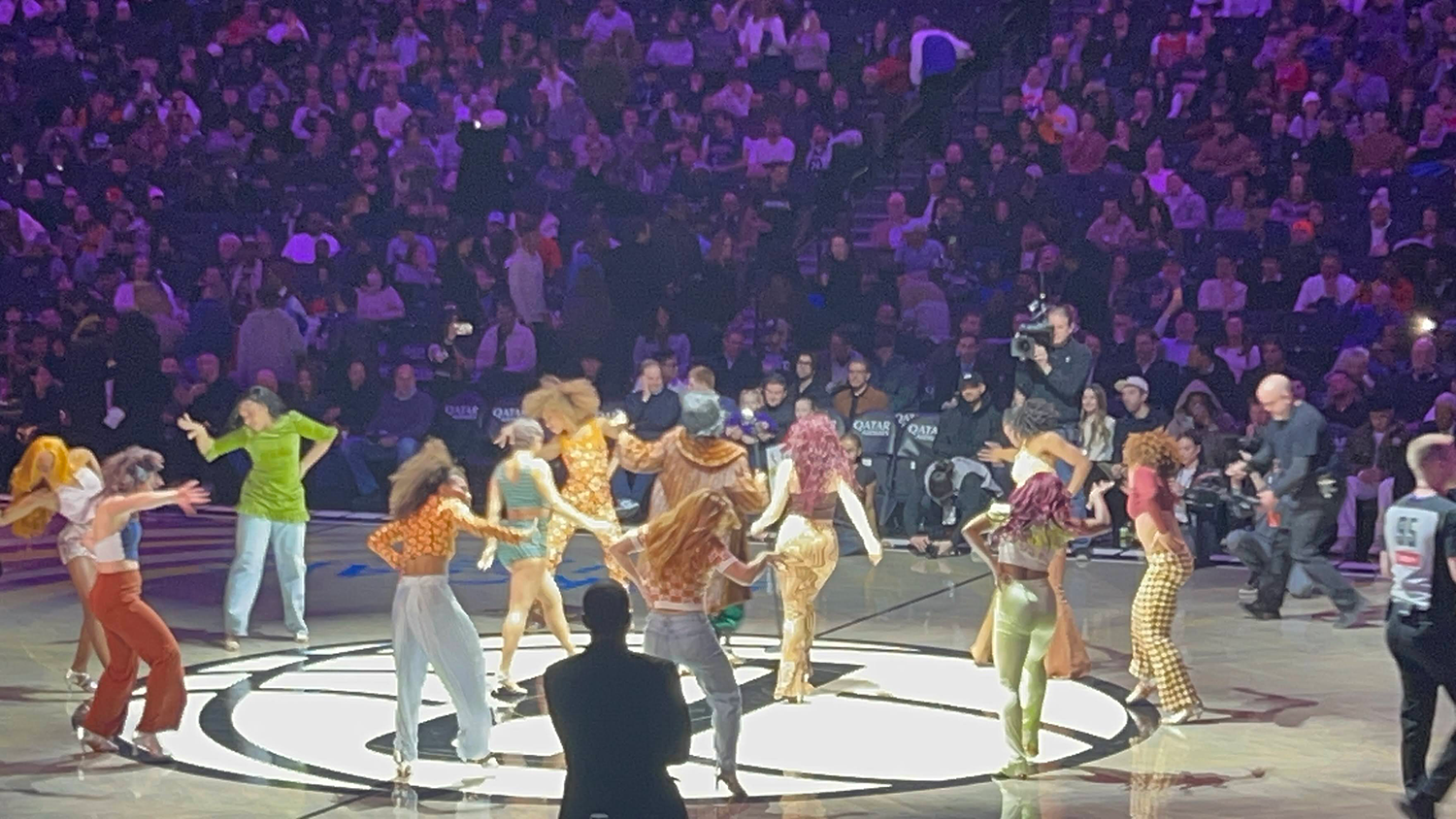
The programming was a copious investment in Blackness that extended beyond the court.

Before the halftime show, fans were welcomed by NBA legend Julius Erving, popularly known as Dr. J. 

Though his appearance was brief and silent, the arena erupted in cheers as the iconic player watched his hometown team secure a meaningful win during Black History Month. 

Dr. J’s presence was especially fitting: he won championships in both the ABA and NBA and inspired generations of players, including Michael Jordan, Dominique Wilkins, and Vince Carter. 

His Nets jersey — No. 32 — hangs in the rafters.
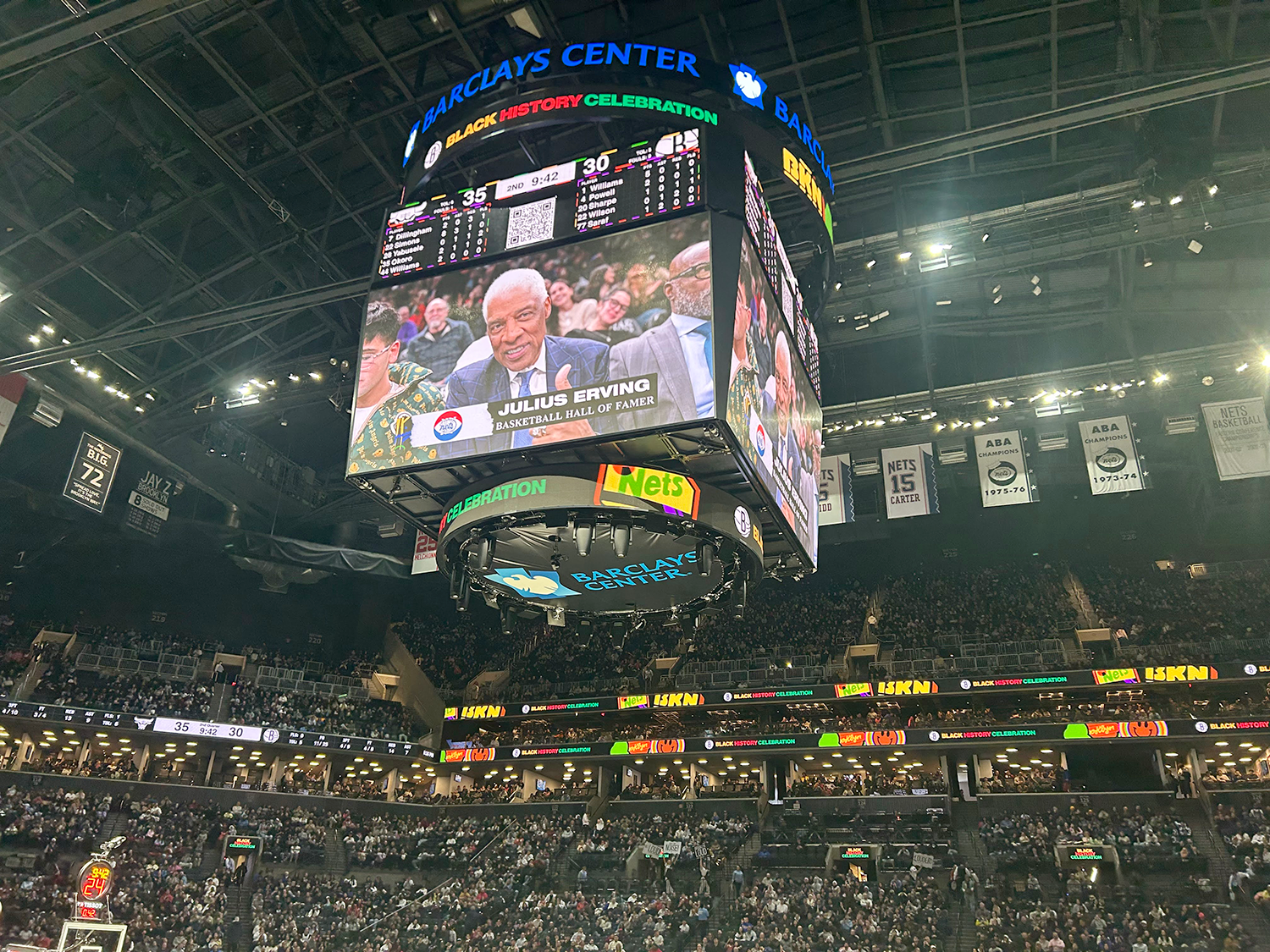
Julius Erving was honored during the game. His Nets jersey sits in the rafters at the Barclays Center.

Other NBA teams also hosted Black History Month-themed games. 

The Boston Celtics celebrated with the NBA Pioneers Classic against the Milwaukee Bucks on February 1, honoring the league’s first Black players, according to The Boston Herald.

The Bucks followed with their Black Excellence Game versus the Bulls on February 3, according to TMJ4, NBC Milwaukee, while the San Antonio Spurs marked Black Heritage Night against the Dallas Mavericks on February 7 with in-game spotlights and community programming, according to The Associated Press.

The Atlanta Hawks’ Black History Month game versus the Washington Wizards is scheduled for February 26. 

Even so, the Nets’ February 9 game offered one of the most performative celebrations, reflecting a season-long commitment to honoring Black culture.

As Brooklyn Downtown Star previously reported, the Nets’ embrace of hip-hop culture separates them from most franchises. 
The team collaborates with the Notorious B.I.G. estate, with the Brooklyn Camo City Edition uniforms — first introduced in 2018–19 and revived for the 2025–26 season — paying tribute to the late rapper and his Bedford-Stuyvesant roots. 

The arena reflects Brooklyn’s hip-hop legacy, from Biggie-themed nights and halftime programming to the influence of Jay-Z, who advocated for the team’s return to Brooklyn.
Reliving the Years of the Cardiac Cosmos

Fans gather for documentary screening about club’s 2015 US Open Cup triumph

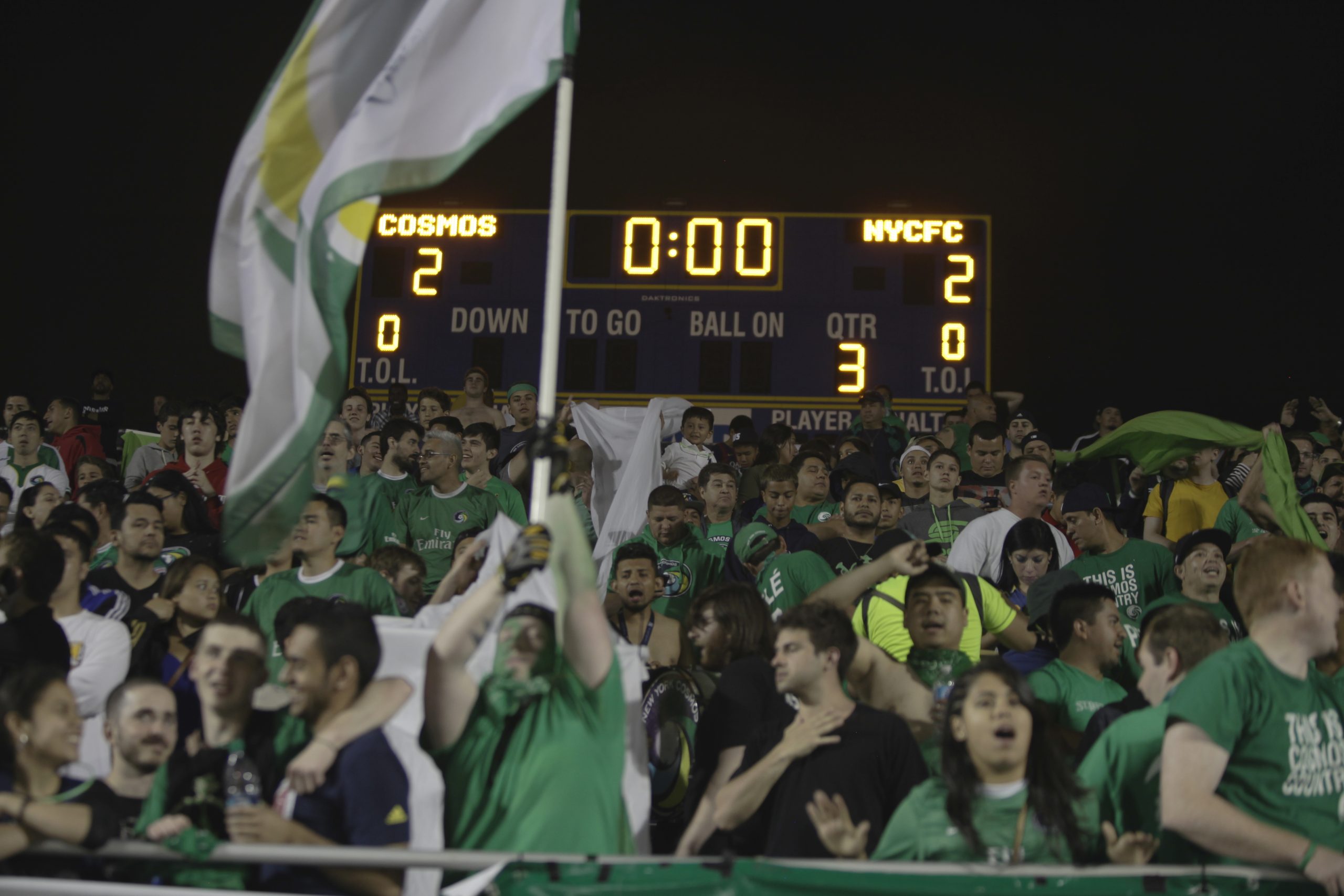
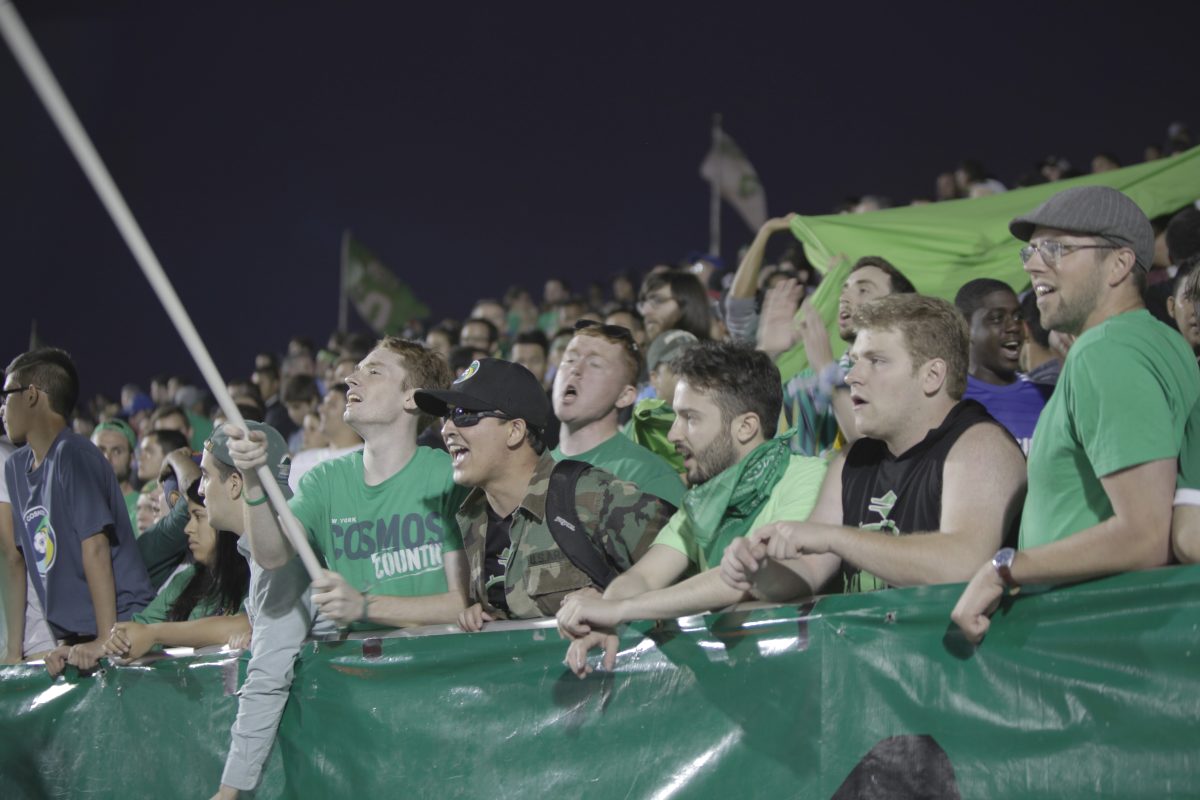
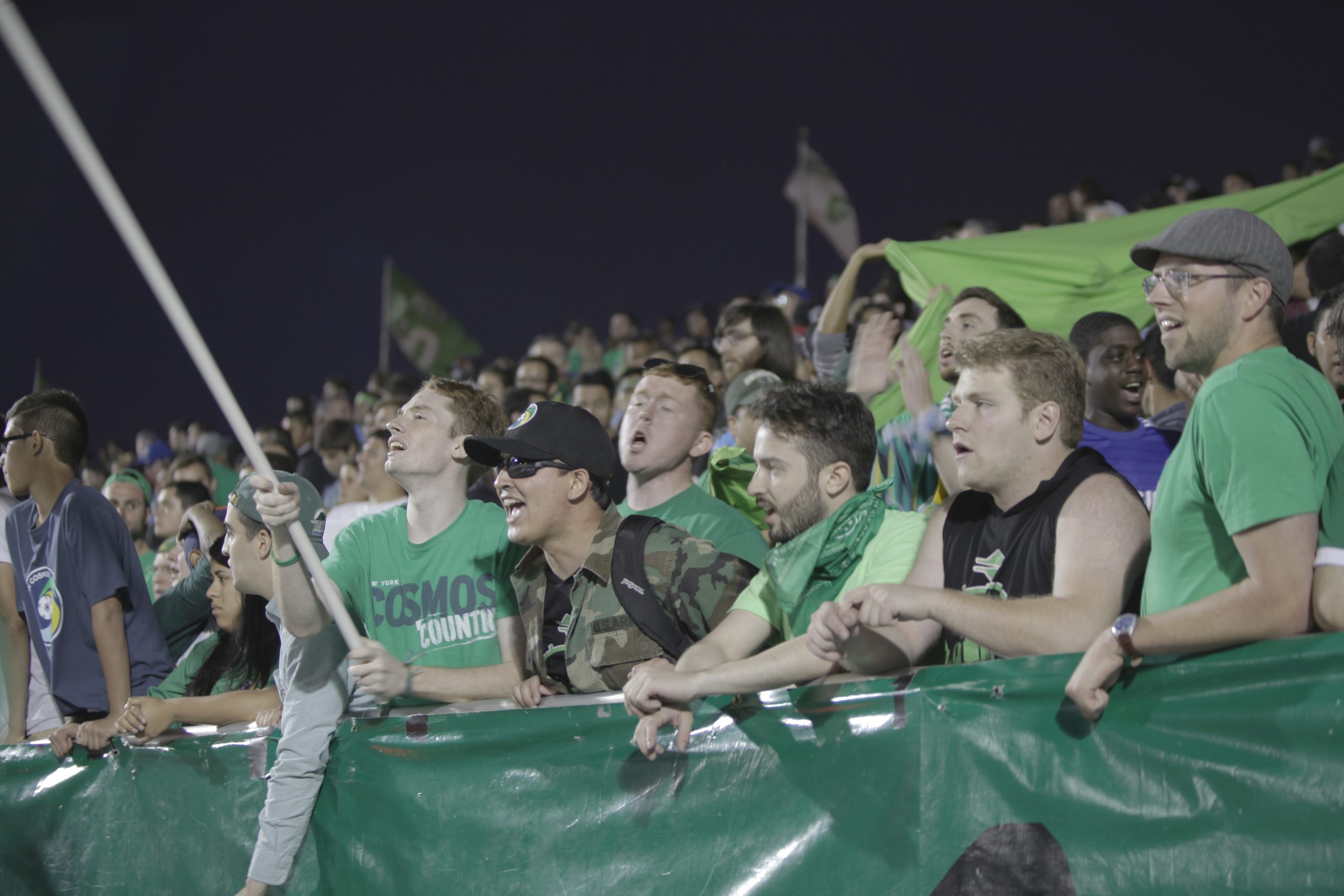
Cosmos fans during the 2015 US Open Cup clash against New York City FC. Photo by Greg Jenkins.

By Noah Zimmerman

noah@queensledger.com

A crowd of a few dozen shared food, drinks, and New York Cosmos memories in Astoria last Wednesday night. Director Greg Jenkins and a passionate group of local soccer fans gathered at Rivercrest on Ditmars Boulevard to enjoy the first public screening of “Cardiac Cosmos 2015 US Open Cup,” a 36-minute documentary produced by Battle For New York.

Jenkins began documenting local soccer around the time the Cosmos made their return in the North American Soccer League and New York City FC made their debut in Major League Soccer. He noticed a unique possibility for a multi-team “derby” in the country’s deepest sports market.

In 2015 he realized something special was brewing on the pitch as the Cosmos had recently played against the New York Red Bulls in 2014. There was a three-team rivalry on the horizon, and local fanbases were reaching a fever point.

“I attended 45 total matches in 2015,” said Jenkins about the pivotal local soccer season. This included the first matchup between New York City and the Red Bulls, which was also turned into a short documentary.

Now with the Cosmos return on the horizon, it’s a perfect time for Jenkins and other local fans to revisit the glory days of the Cosmos.

“The Cosmos coming back is really exciting, especially since they have a stadium of their own, it’s something they never had even in the Pelé days.” said Jenkins. “I think it’s a great way to get people excited about the new season.”

The crowd seemed to travel a decade back in time during the screening, which included a significant amount of game and TV footage. The Cosmos fans booed New York City players and fans, jeered the referee’s calls (and lack thereof), and cheered on every play as if it was happening live.

“It was great to see that, it was like everyone was reliving the moments. Of all the games, I think this one really deserved to have this sort of treatment,” added Jenkins. “It took over 10 years to make this movie and it shows there’s still interest. It’s almost like the footage has gotten more valuable over time.”

“I loved getting to see all the faces in the documentary,” commented one person in attendance. “It really got me thinking about where these people all are now and I’m excited to see a lot of them again.”

The documentary brought back great memories of the Cosmos’ golden years. Now the club will attempt a comeback in 2026!

In recent years, the Open Cup was dealt blows to its legitimacy as a major competition. MLS, the only 1st division soccer league in the nation, opted to pull first teams from the competitions, instead sending reserves and academies to take on opposition from lower leagues.

“It’s an unfortunate decision for sure for MLS to not put their first teams into the Open Cup, MLS has disrespected the US Open Cup and that’s unfortunate, but maybe it gives teams like the Cosmos or Brooklyn FC a chance to beat their second team.”

The film concluded with a recap of the famed penalty shootout where the Cosmos came from behind late to miraculously defeat their new neighbors. The crowd erupted into celebration as the players and fans on screen cheered.

“Oooooh soy de Cosmos! (Oh, I’m for the Cosmos)” they chanted. “Es un sentimiento que no puedo parar (it’s a feeling I can’t stop).”

Rivercrest is a home to plenty of soccer watch parties, and they will be the home for Cosmos watch parties in 2026. They’re also frequented by local amateur and semi-pro teams like New York International FC and national team supporters groups like American Outlaws Queens.

“Cardiac Cosmos 2015 U.S. Open Cup” is now available to watch online at https://youtu.be/FUUSbMQ5kzg. To see more from Battle For New York, you can visit battlefornewyork.com.

Blow the Ram’s Horn: Remembering Willis Hodges

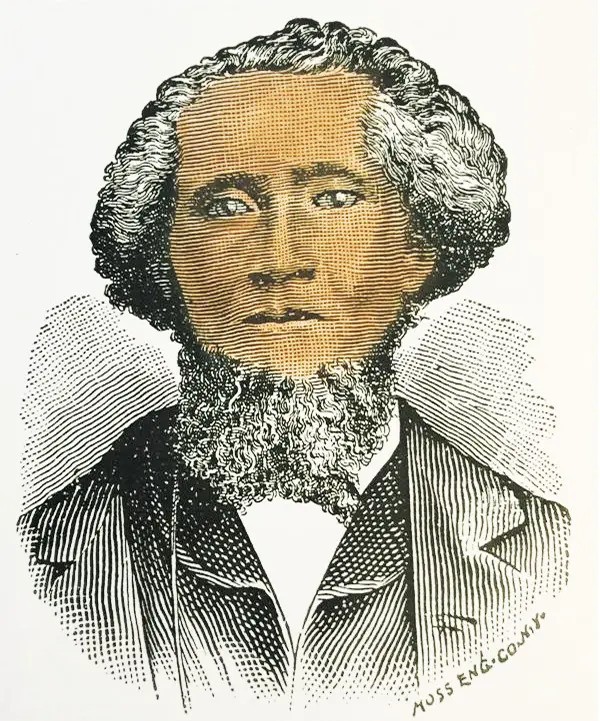
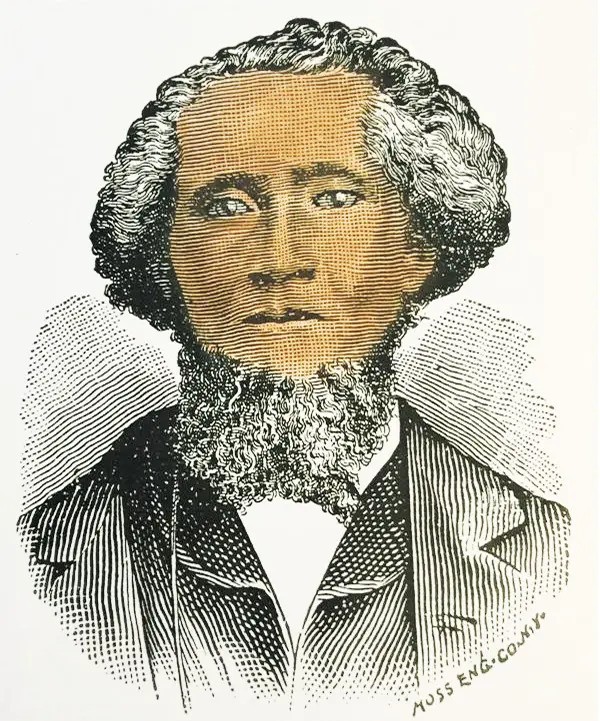
Willis Hodges dies in Williamsburg in 1890, but his legacy lives on. Photo via NJG.

Willis Hodges, the founder of America’s first Black-owned newspaper, was a prominent figure in Williamsburg. 

GEOFFREY COBB | gcobb91839@Aol.com

Author, “Greenpoint Brooklyn’s Forgotten Past

When people think about African American communities in Brooklyn, people might think about East New York, Brownsville or Flatbush, not Williamsburg, but the area was once home to a thriving Black community founded by an amazing, but forgotten Brooklynite, Willis Hodges. Though Hodges’ name is largely forgotten today, his life story and achievements deserve to be recalled, especially during Black History Month.

His life had so many adventures, it seems as if it came straight from a film script. Although Willis Hodges’ life may seem contrived, it is not. Born free to unenslaved African American parents in Virginia in 1815, Hodges learned to read and write at a time when many whites were illiterate and only a handful of African Americans could articulate their stories.  Nat Turner’s rebellion cast a shadow over the Hodges family when his older brother was falsely accused of abetting Tuner in his slave revolt and was imprisoned.  Hodges’ older brother escaped the jail and headed to New York. Incensed whites took vengeance on Hodges’ family, nearly blinding his mother and killing all the family livestock.

Willis arrived in Williamsburg in 1836, where he soon bought land and became a deacon in a local black church. He also became one of the founders of Colored School #2 in Williamsburg, where black children learned to read and write.  Willis also quickly joined the local abolitionist movement and became a stationmaster on the Underground Railroad. Angered by a pro-slavery editorial in a New York newspaper, Hodges paid to print a rebuttal, but his article was stuck in the back of the paper where no one would see it.  When he confronted the publisher, the man told him to start his own newspaper which he did, starting the weekly Ram’s Horn in 1840. His paper featured articles by Fredrick Douglass and John Brown, the leader of the unsuccessful attack on the Harper’s Ferry arsenal. The Ram’s Horn became the first newspaper ever in America published by an African American.

Douglass urged Hodges to “blow away” on his horn, predicting that its “wild, rough, uncultivated notes may grate on the ear of the refined,” but would “be pleasurable to the slave, and terrible to the slaveholder.”

Hodges and Brown became good friends, and it is entirely likely that Hodges knew about Brown’s plans to foment a slave rebellion before the attack on Harper’s Ferry. It’s also possible that Brown pleaded with Hodges to join him in the raid, but we will never know because as soon as Brown was arrested Hodges burned all of his correspondence with Brown.

During the Civil War Hodges disappeared from Brooklyn and there is speculation that he served the Union Army as a scout. At the end of the war, Hodges returned to his birthplace and was chosen to represent Virginia at the constitutional convention of 1867-1868, which marked the first time ever blacks sat alongside whites as lawmakers. Hodges’ leading role at the convention singled him out for attacks in the pro-confederate Southern press, which was openly hostile to African Americans taking part in Reconstruction. Aligning himself with the Radical Republicans, Hodges supported the enfranchisement of blacks, demanded the disenfranchisement of former Confederates, and sought the racial integration of schools. When Democrats returned to power in Virginia at the end of Reconstruction, Hodges returned to Williamsburg where he lived until his death in 1890.

Hodges published his autobiography chronicling his unique African American story, which he dedicated to the free Blacks of the South. Hodges home and store on South Fifth Street were demolished to construct the Williamsburg Bridge, so the physical evidence of his time in Williamsburg is gone, but his important legacy as a writer and abolitionist lives on and should be remembered during Black History Month.

Fill the Form for Events, Advertisement or Business Listing